In a growing business, slow decisions are expensive. Opportunities pass, teams wait for approval and momentum fades. Bold leaders learn to decide faster—without becoming careless.
The hidden cost of indecision
When a decision sits on a leader's desk for weeks, the cost isn't only the delay. Team members stop proposing ideas, competitors move first and small problems grow into big ones. In many cases, a good decision made today is worth more than a perfect decision made next month.
Separate reversible from irreversible decisions
Most decisions can be undone: testing a new ad, trying a supplier, changing a process. These are "two-way doors"—walk through, and if you don't like what you see, walk back. Make them quickly and let the people closest to the work make them.
A few decisions are hard to reverse: signing a long lease, a major hire, a large investment. These "one-way doors" deserve more time, more data and more input. Knowing the difference lets you move fast on most things and carefully on the few that matter most.
Use the 70% rule
Waiting for complete information usually means waiting too long. Aim to decide when you have roughly 70% of the information you wish you had. If you're right, you've gained time. If you're wrong, you'll usually find out quickly—and a reversible decision can be corrected.
Bold leadership isn't about always being right. It's about deciding clearly, learning quickly and correcting course without ego.
Set clear decision rights
Confusion about who decides causes more delay than the decision itself. For each important area—pricing, hiring, marketing spend, customer refunds—make it clear who decides, who must be consulted and who simply needs to be informed. Write it down and share it with the team.
Use a simple decision framework
For important decisions, answer five questions in writing:
- What exactly are we deciding?
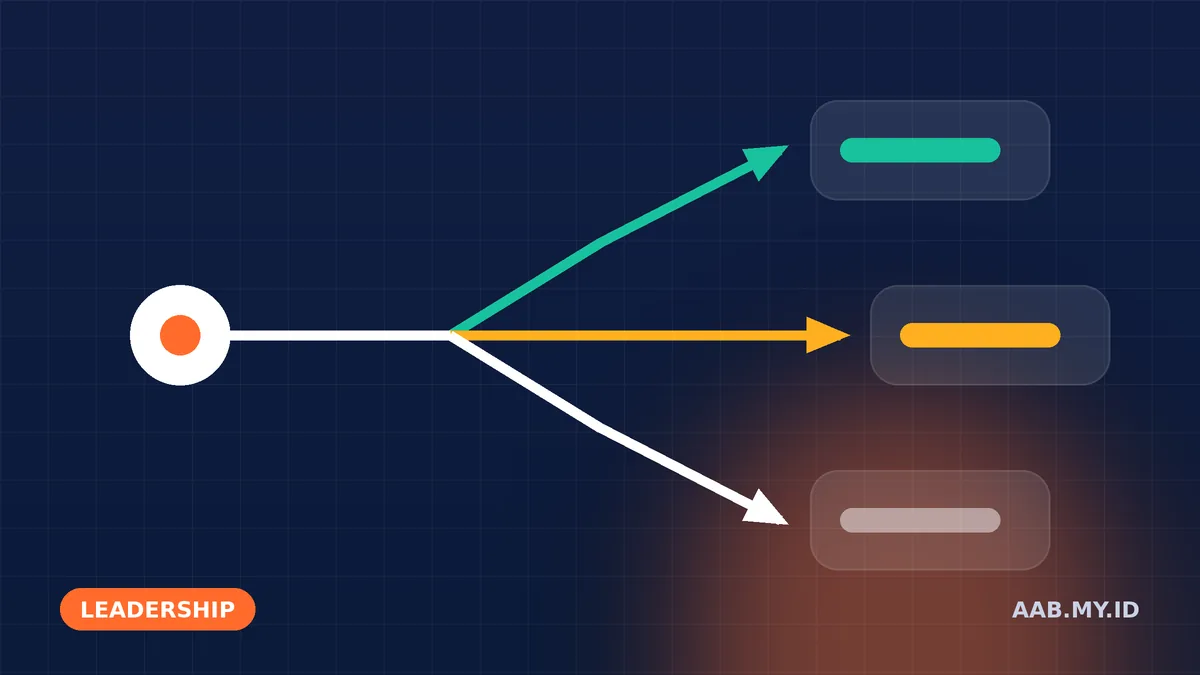
- What options do we have (at least three)?
- What are the main risks and benefits of each?
- What would we need to believe for each option to be the right one?
- When will we review whether it worked?
This takes less than an hour and dramatically improves the quality of your thinking.
Disagree, then commit
Encourage honest debate before a decision is made. Once it is made, ask everyone to commit fully—even those who disagreed. Half-hearted execution kills more good decisions than bad analysis does.
Review your decisions, not just your results
Good decisions sometimes lead to bad outcomes because of luck, and vice versa. Every quarter, review a few key decisions: Was the reasoning sound? Did we have the right information? What would we do differently? This builds better judgment over time.
Key takeaway: Move fast on reversible decisions, slow down on irreversible ones, and make it crystal clear who decides what.