


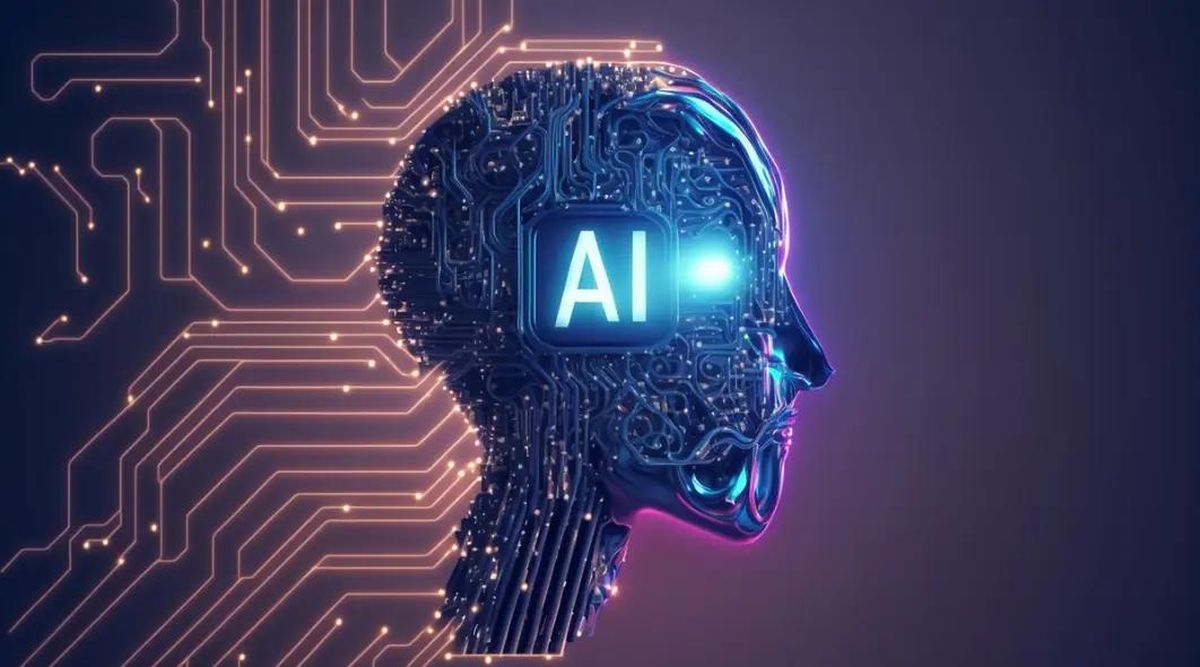
The rise of artificial intelligence (AI) and machine learning (ML) is transforming the realms of marketing and business operations, with experts predicting these technologies will redefine engagement and data analysis for enterprises worldwide by 2025.
AI’s integration goes far beyond mere automation, making significant strides in how companies interact with customers and interpret vast amounts of data. Leading digital marketing trends highlight the capabilities of AI systems to learn from data, recognize patterns, and make decisions pivotal for marketing success.
According to industry experts, it is anticipated AI will drive 75% of all marketing efforts by 2025. With tools like Google’s AI insights now available to over 1 billion users worldwide, this has markedly changed user engagement with searches, resulting in organic click-through rates plummeting from 50% to between 28% and 30% (SparkToro).
The competitive dynamics of the digital marketing ecosystem are shifting, particularly as Google remains the dominant force. James Chen, a digital marketing specialist, notes the emergence of platforms powered by AI such as SearchGPT, Perplexity, and Claude AI. These advancements suggest the need for businesses to not only optimize their presence on Google but also increase visibility across various platforms.
AI is set to rewire the rules of search engine optimization (SEO) by 2025. A staggering 79% of consumers are expected to use AI-enhanced searches, with 70% expressing trust in AI-generated algorithmic results, according to findings from Search Engine Journal (SEJ). Businesses will need to adjust their SEO strategies to meet raised expectations for quick and convenient search results. This entails optimizing for natural language queries and structuring content to simplify retrieval by AI algorithms, focusing on valuable insights beyond mere factual answers.
Social media platforms are also revolutionizing how campaigns are managed, with Meta, TikTok, LinkedIn, and Snapchat leading the charge toward automated optimization. More than 15 million AI-generated ads are created each month, changing the brands’ engagement mechanisms.
The customer experience is being redefined through AI frameworks, merging previously disjointed platforms to create seamless, omni-channel experiences. Striking the right balance between human creativity and AI efficiency is becoming increasingly pertinent; studies indicate content created by humans continues to outperform AI-generated material, demonstrating the significance of authenticity in digital marketing trends.
Canada is also positioning itself strategically within this technological revolution, investing heavily in blockchain and AI to strengthen its business operations. The Canadian government is focused on creating streamlined, transparent cross-border transactions to reduce customs delays, beneficial as international tariffs create obstacles globally. Canadian technological firms are collaborating to develop digital commerce platforms to bolster international trade and lessen reliance on single markets.
This initiative aims not just to respond to contemporary challenges but to pave the way for Canada’s emergence as a global leader in digital commerce solutions.
The evolution of marketing and business strategy with AI doesn’t just represent change; it signifies adaptation to survive within highly competitive landscapes. Businesses can no longer afford to rely on outdated methods or singular strategies. An omnichannel presence is now necessary to assure visibility across numerous platforms, implicitly endorsing the principle of “optimization everywhere.”
Voice search is expected to gain traction as one of the most significant advances in digital marketing over the next few years. Companies will need to prioritize comprehending voice search to maintain competitiveness moving forward.
While the changes brought by AI and ML present vast opportunities, they also come with challenges. Businesses will need to navigate technological integration issues, data privacy concerns, and compliance with regulatory frameworks as these new solutions are adopted.
The imperative for companies is clear: to thrive, they must embrace the rapid advancements of AI and utilize these insights to continually adapt their strategies and create plans capable of attracting and maintaining customers.
AI is no longer just another tool for marketers; it has become foundational to modern marketing strategies, offering opportunities previously thought unattainable. The future of marketing appears promising if approached with careful planning and innovative strategies.
link